Why Financial Literacy Education is Critical for Children: Busting the Myths Holding Them Back
 Lean Hyphen

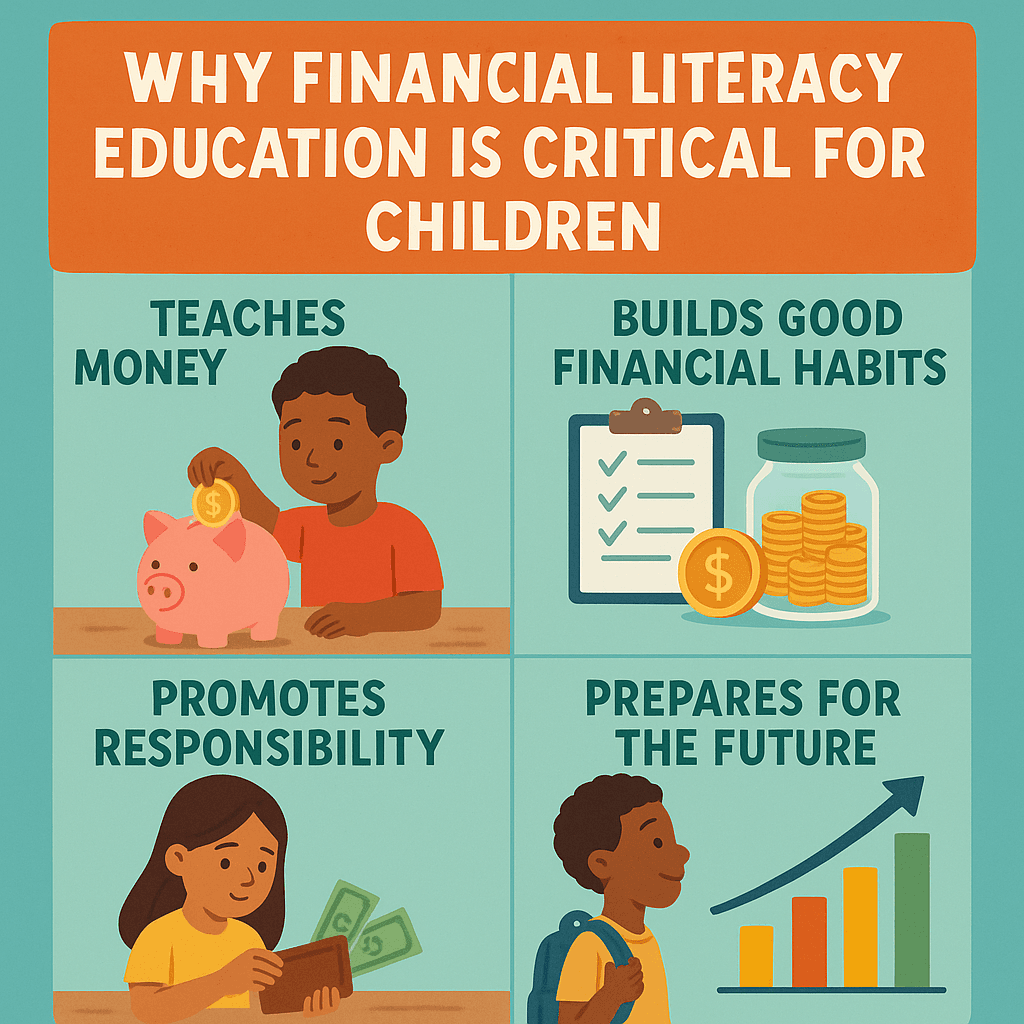
When my child once asked, “Why can’t I have every toy I want?” I realized money wasn’t just about numbers—it was about choices, priorities, and consequences. Like many parents and educators, I hesitated at first. Isn’t it too early? Won’t this make them materialistic? But what I discovered is far more important: teaching kids about money isn’t optional—it’s essential for their future success.
In today’s world, where 72% of adults report anxiety about money (APA, 2023), early financial literacy is as critical as reading or math. Let’s break down the myths holding children back.
Myth 1: Kids are too young to learn about money
The concern: Children can’t grasp financial concepts until they’re older.
The truth: By age 7, children already form lifelong money habits (University of Cambridge study). Starting early helps them develop positive behaviors before poor patterns set in. Even 5- or 6-year-olds can understand saving, sharing, and simple trade-offs.
Quick Stat: By age 7, money habits are already formed.
Real-world example: A child saving ₹200 each week for a toy learns goal-setting, patience, and delayed gratification—core skills for adult financial well-being.
Myth 2: Talking about money will make children materialistic
The concern: Money conversations encourage greed.
The truth: Avoiding the topic creates confusion, while open conversations build resilience and empathy. According to the OECD, students with financial education perform better in problem-solving and decision-making skills—not just financial tasks.
Quick Stat: 69% of parents avoid money talks, yet financially educated kids score 20% higher in problem-solving.
Real-world example: A child choosing between spending their entire ₹500 allowance or saving ₹300 for a bigger goal learns self-control and prioritization—not greed.
Myth 3: Schools should only focus on academics
The concern: Math and science are enough; money skills can wait.
The truth: Academic knowledge without life skills is incomplete. According to the Reserve Bank of India’s Financial Literacy Report (2023), only 27% of Indians are financially literate. This gap directly contributes to debt, poor savings, and stress.
Quick Stat: Only 27% of Indians are financially literate; teens with training are 25% more likely to save and 33% less likely to fall into debt.
Real-world example: Classroom activities like creating a ₹1,000 budget for weekly groceries teach students how to balance needs vs. wants while applying math in real life.
Myth 4: Financial education can wait until they’re older
The concern: Kids will figure it out naturally.
The truth: Waiting too long leads to missed opportunities. The National Endowment for Financial Education found that 80% of teens wished they had learned about money earlier. By adolescence, impulsive spending habits and financial anxiety may already be entrenched.
Quick Stat: 80% of teens say they wish they had learned about money earlier.
Real-world example: Teaching an 8-year-old the difference between “needs” (school shoes) and “wants” (designer sneakers) creates decision-making clarity that can prevent financial mistakes later.
Myth 5: Managing money is all about math
The concern: Money management is too numbers-heavy for kids.
The truth: Financial literacy is more about mindset than math. Qualities like patience, planning, empathy, and responsibility are the foundation of financial health.
Quick Stat: Students exposed to financial literacy programs are 3x more likely to save and 50% less likely to carry debt.
Real-world example: Involving kids in a monthly household budget meeting—like deciding how to allocate ₹5,000 for groceries, entertainment, and savings—teaches trade-offs and foresight, without advanced math.
The Lean Hyphen Approach: Real Skills for Real Life
At Lean Hyphen, we believe financial literacy isn’t a one-time lesson—it’s a lifelong journey. Our structured program grows with children, offering workbooks, workshops, and interactive activities tailored to their stage of learning.
For UKG & Primary Years:
- Children are introduced to simple, relatable concepts like needs vs. wants, saving in piggy banks, and sharing.
- Story-based workbooks and games make money fun and meaningful, teaching habits like delayed gratification and mindful spending.
For Middle School:
- Students explore budgeting basics, saving strategies, credit and digital finance awareness.
- Workshops encourage them to set short-term financial goals (like saving for a book or game) while understanding trade-offs.
For High School:
- Learners dive into Banking investments, credit, risk & insurance awareness, and financial decision-making.
- Our advanced financial literacy workbooks and workshops prepare them to manage real-world money challenges, from planning for college to using digital banking safely.
What Children Learn with Lean Hyphen:
- Understand the value of money: What money can—and can’t—do.
- Budget and save for goals: From a ₹500 toy to long-term dreams.
- Make thoughtful choices: Weighing pros and cons before spending.
- Build resilience: Viewing financial confidence as part of emotional well-being.
The Bottom Line: Empowering the Next Generation
Financial literacy isn’t about raising the next Warren Buffet. It’s about helping children grow into responsible, confident adults who can navigate life’s uncertainties with courage and clarity.
Fact: The World Bank highlights that financial literacy directly correlates with improved savings, better retirement planning, and reduced debt stress.
By teaching kids how to handle money early, we’re not just helping them avoid pitfalls—we’re giving them tools to thrive in a fast-changing world.
At Lean Hyphen, our progression-based program equips children—from UKG to Grade 12—with healthy money habits that grow with them. With interactive workbooks, engaging workshops, and practical challenges, we make sure financial literacy becomes a stepping stone for lifelong success.
Together, let’s equip the next generation not just to survive—but to lead, innovate, and flourish.
Additional Hook:
Why Financial Literacy Matters for Teens: A Father’s Story
Ravi was a loving father who always put his family first. He worked hard, provided for them, and made sure his son grew up surrounded by care and happiness. Money matters were never discussed at home—Ravi handled it all.
But when tragedy struck and Ravi passed away suddenly, the family was left not only with heartbreak but also with financial confusion. His teenage son, still grappling with grief, was forced to step into responsibilities he didn’t understand—bills, bank accounts, loans, and decisions that felt overwhelming.
It raised a difficult question: Are we equipping our children with the skills they truly need to survive when life takes an unexpected turn?
Why Teens Need Financial Literacy
Life can change in an instant. When teens are taught about money early, they are better prepared for the unexpected. Financial literacy gives them:
- Confidence to handle basic financial decisions.
- Resilience to face crises without fear.
- Independence in planning their future.
- Strength to carry forward their family’s legacy with security.
Preparing Teens for Life
Teaching money skills to teens isn’t about burdening them—it’s about empowering them. At LeanHyphen, we believe financial literacy is a life skill, as important as education itself. Because when tragedy strikes, grief should be the only burden a family carries, not financial confusion.