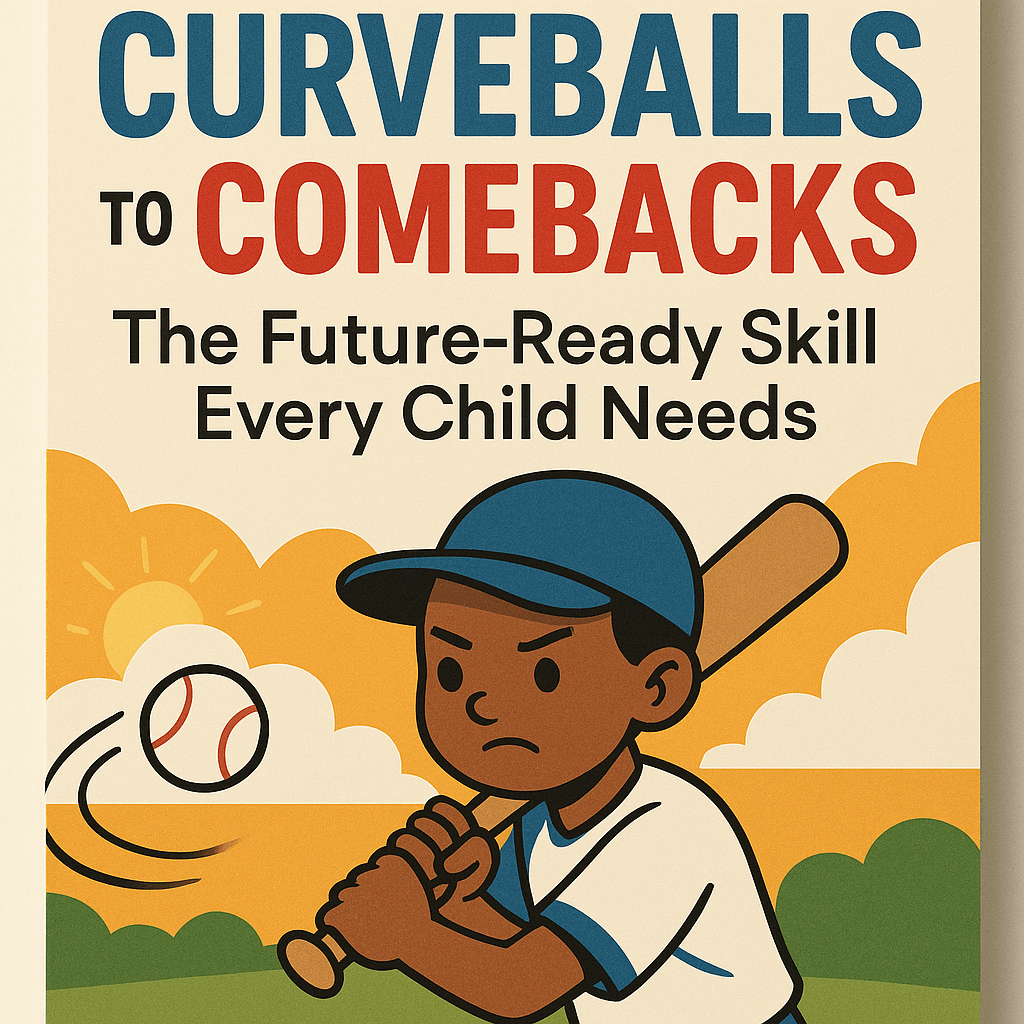
From Curveballs to Comebacks: The Future-Ready Skill Every Child Needs
 Lean Hyphen

Quick Facts Every Parent & School Should Know
- 44% of skills needed in today’s workforce will change by 2028 (World Economic Forum).
- Students with higher adaptability show 30% less stress and greater problem-solving ability (APA).
- 3 in 5 employers rank adaptability among the top five soft skills they look for (LinkedIn).
- Adaptable children are more likely to have better peer relationships and emotional wellbeing (OECD).
The message is clear: Adaptability is not optional. It’s the foundation of success, resilience, and happiness for the next generation.
In today’s world, change is the only constant. From technological breakthroughs to new learning environments, children are growing up in a future we can barely predict. For parents and schools, this brings one key question: How do we prepare our children not just to survive, but to thrive in uncertainty?
The answer lies in one essential life skill — adaptability.
Why Adaptability Matters for Children
1. Success Beyond Academics
Grades matter, but the ability to adjust, learn, and grow ensures children can apply knowledge in real life. According to the World Economic Forum’s Future of Jobs Report (2023), 44% of workers’ skills will be disrupted in the next five years—meaning the ability to adapt is more valuable than any one skill.
2. Mental and Emotional Resilience
Adaptable children cope better with setbacks. Research by the American Psychological Association shows that students who demonstrate higher adaptability report 30% lower levels of stress and perform better in problem-solving tasks.
3. Future-Ready Skills
Careers of the future will demand flexibility. A LinkedIn Workplace Learning Report highlighted that adaptability has been among the top five soft skills sought by employers for three consecutive years. By developing adaptability early, children are prepared for industries and opportunities that don’t even exist yet.
4. Stronger Relationships
Adaptability isn’t only about academics or work. The OECD’s Education 2030 Framework notes that collaboration, flexibility, and adaptability are core to social and emotional well-being. Children who adapt well are better at resolving conflicts, building friendships, and thriving in diverse communities.
What Adaptability Looks Like in Schools
Adaptability isn’t a vague concept. In classrooms and at home, it shows up when children:
- Try new problem-solving methods when their first attempt doesn’t work.
- Stay calm when schedules change or plans shift.
- Ask questions and stay curious about new topics.
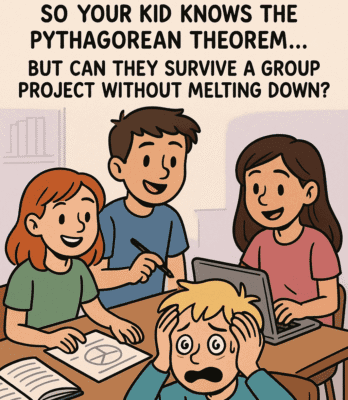
- Embrace group work with classmates who think differently.
In short, adaptability combines flexibility, resilience, and curiosity—the cornerstones of lifelong learning.
How Lean Hyphen Is Cultivating Adaptability
At Lean Hyphen, we believe adaptability must be taught intentionally, not left to chance. That’s why our curriculum is designed to help children practice this skill every day. Here’s how:
- Experiential Learning: Real-world projects with changing requirements teach children to think on their feet.
- Growth Mindset Activities: Lessons help children see effort and mistakes as opportunities to grow.
- Collaborative Work: Team tasks simulate diverse challenges, encouraging flexible thinking.
- Reflection & Feedback: Guided reflection builds awareness of how to adapt in future situations.
- Future-Focused Skills: Exposure to technology and scenario-based activities prepare children for tomorrow’s uncertainty.
By weaving adaptability into every stage of learning, Lean Hyphen ensures children don’t just “know” about change—they grow through it.
A Shared Responsibility
For adaptability to truly take root, both schools and parents must work together:
- Schools can create safe learning spaces where experimentation is encouraged.
- Parents can model adaptability at home—showing children how to respond positively when plans change or challenges arise.
When home and school work hand in hand, children learn that adaptability isn’t a skill for the classroom alone—it’s a way of life.
Final Word
In a world where change is inevitable, adaptability is non-negotiable. For parents and school leaders, nurturing this trait is one of the most valuable investments we can make in our children’s future.
At Lean Hyphen, we are proud to be embedding adaptability at the heart of our curriculum—because preparing children for tomorrow begins with teaching them how to adapt today.
Call to Action
Are you ready to equip your children and students with the future-ready skill of adaptability?
- Parents: Explore how Lean Hyphen’s programs can help your child develop resilience, flexibility, and confidence in a changing world.
- Schools: Partner with us to bring adaptability-focused learning into your classrooms and prepare students for the challenges and opportunities of tomorrow.
Visit Lean Hyphen to learn more and take the first step toward building adaptable, future-ready learners.